good and bad cholesterol

Good vs. Bad Cholesterol: What Do Your Numbers Mean?

Cholesterol is a waxy, fat-like substance your body needs to build cells and make hormones. The problem is not cholesterol itself—it’s having the wrong amounts of different types.

The main cholesterol numbers on a blood test:

1. HDL (“Good” cholesterol)
HDL helps carry extra cholesterol away from arteries and back to the liver, where it can be removed.

Desirable levels:

  • Men: 40 mg/dL or higher
  • Women: 50 mg/dL or higher
  • 60 mg/dL or higher is often considered protective for heart health

2. LDL (“Bad” cholesterol)
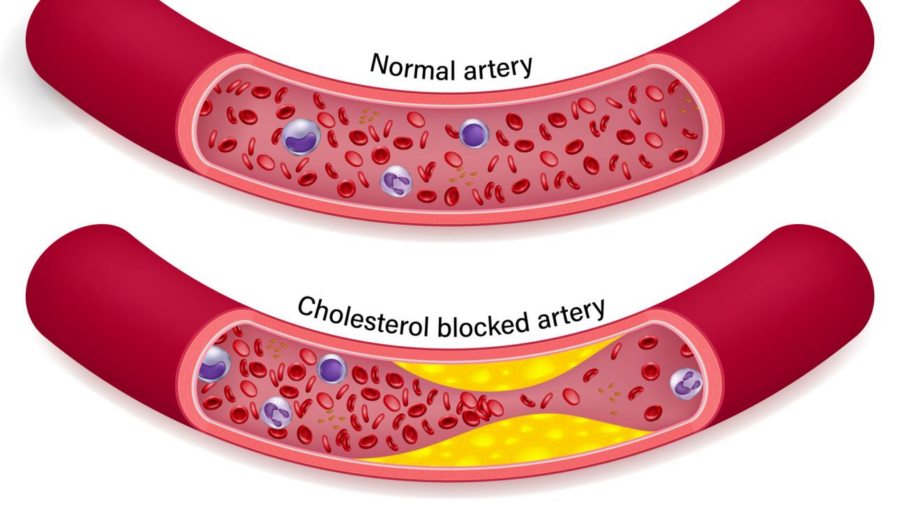
LDL can deposit cholesterol into artery walls, creating plaque buildup that narrows blood vessels.

Desirable levels:

  • Optimal: Below 100 mg/dL
  • Near optimal: 100–129 mg/dL
  • Borderline high: 130–159 mg/dL
  • High: 160–189 mg/dL
  • Very high: 190 mg/dL or above

High LDL can increase risk of:

  • Heart Attack
  • Stroke

3. Total cholesterol

General guideline:

  • Desirable: Below 200 mg/dL
  • Borderline high: 200–239 mg/dL
  • High: 240 mg/dL or higher

4. Triglycerides

These are another type of fat in the blood.

Typical ranges:

  • Normal: Below 150 mg/dL
  • Borderline high: 150–199 mg/dL
  • High: 200–499 mg/dL

How to improve your numbers

  • Reduce trans fats and excess saturated fats
  • Eat more fiber-rich foods (oats, beans, fruits, vegetables)
  • Exercise regularly
  • Maintain a healthy weight
  • Avoid smoking
  • Choose healthy fats from fish, nuts, and olive oil

A simple way to remember it:

  • HDL = helps remove cholesterol (“good”)
  • LDL = leaves deposits in arteries (“bad”)

Your cholesterol numbers are interpreted together with age, blood pressure, smoking status, diabetes, and overall cardiovascular risk—not as isolated values.

Understanding High Blood Pressure: The Silent Killer

Understanding High Blood Pressure: The Silent Killer

High blood pressure, also called Hypertension, is often called the “silent killer” because it usually causes no obvious symptoms while quietly damaging the body over time. Many people can have it for years without realizing it.

What is blood pressure?
Blood pressure is the force of blood pushing against the walls of your arteries. A reading contains two numbers:

  • Systolic pressure (top number): pressure when the heart beats
  • Diastolic pressure (bottom number): pressure when the heart rests between beats

General categories often used:

  • Normal: below 120/80 mmHg
  • Elevated: 120–129 and below 80
  • High blood pressure (stage 1): 130–139 or 80–89
  • High blood pressure (stage 2): 140/90 or higher

Why is it dangerous?
Persistent high blood pressure can gradually damage blood vessels and increase the risk of:

  • Heart Attack
  • Stroke
  • Kidney Disease
  • Vision problems
  • Heart failure

Common risk factors

  • Excess salt intake
  • Smoking
  • Obesity
  • Physical inactivity
  • Long-term stress
  • Family history
  • Excess alcohol use
  • Increasing age
  • Conditions like Type 2 Diabetes

Possible warning signs (when they occur)
Most people have no symptoms, but severe or uncontrolled high blood pressure may sometimes cause:

  • Headaches
  • Dizziness
  • Blurred vision
  • Chest pain
  • Shortness of breath
  • Nosebleeds
  • Fatigue

How to reduce your risk

  • Eat more fruits, vegetables, and whole grains
  • Reduce salt intake
  • Exercise regularly
  • Maintain a healthy weight
  • Avoid smoking
  • Limit alcohol
  • Manage stress
  • Check your blood pressure regularly

The reason hypertension is called a silent killer is simple: you can feel fine while damage is still occurring. Regular monitoring often detects it long before serious complications appear.