Cholesterol is a waxy, fat-like substance your body needs to build cells and make hormones. The problem is not cholesterol itself—it’s having the wrong amounts of different types.
The main cholesterol numbers on a blood test:
1. HDL (“Good” cholesterol)
HDL helps carry extra cholesterol away from arteries and back to the liver, where it can be removed.
Desirable levels:
- Men: 40 mg/dL or higher
- Women: 50 mg/dL or higher
- 60 mg/dL or higher is often considered protective for heart health
2. LDL (“Bad” cholesterol)
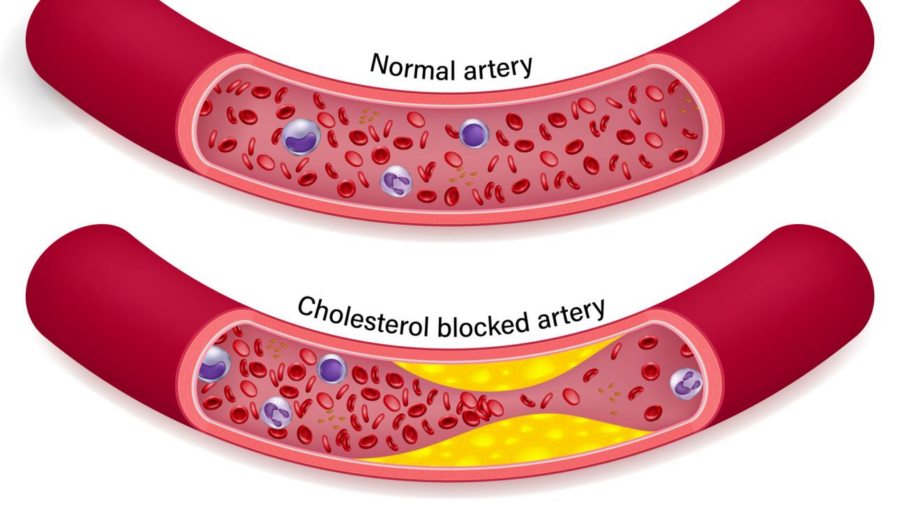
LDL can deposit cholesterol into artery walls, creating plaque buildup that narrows blood vessels.
Desirable levels:
- Optimal: Below 100 mg/dL
- Near optimal: 100–129 mg/dL
- Borderline high: 130–159 mg/dL
- High: 160–189 mg/dL
- Very high: 190 mg/dL or above
High LDL can increase risk of:
- Heart Attack
- Stroke
3. Total cholesterol
General guideline:
- Desirable: Below 200 mg/dL
- Borderline high: 200–239 mg/dL
- High: 240 mg/dL or higher
4. Triglycerides
These are another type of fat in the blood.
Typical ranges:
- Normal: Below 150 mg/dL
- Borderline high: 150–199 mg/dL
- High: 200–499 mg/dL
How to improve your numbers
- Reduce trans fats and excess saturated fats
- Eat more fiber-rich foods (oats, beans, fruits, vegetables)
- Exercise regularly
- Maintain a healthy weight
- Avoid smoking
- Choose healthy fats from fish, nuts, and olive oil
A simple way to remember it:
- HDL = helps remove cholesterol (“good”)
- LDL = leaves deposits in arteries (“bad”)
Your cholesterol numbers are interpreted together with age, blood pressure, smoking status, diabetes, and overall cardiovascular risk—not as isolated values.